
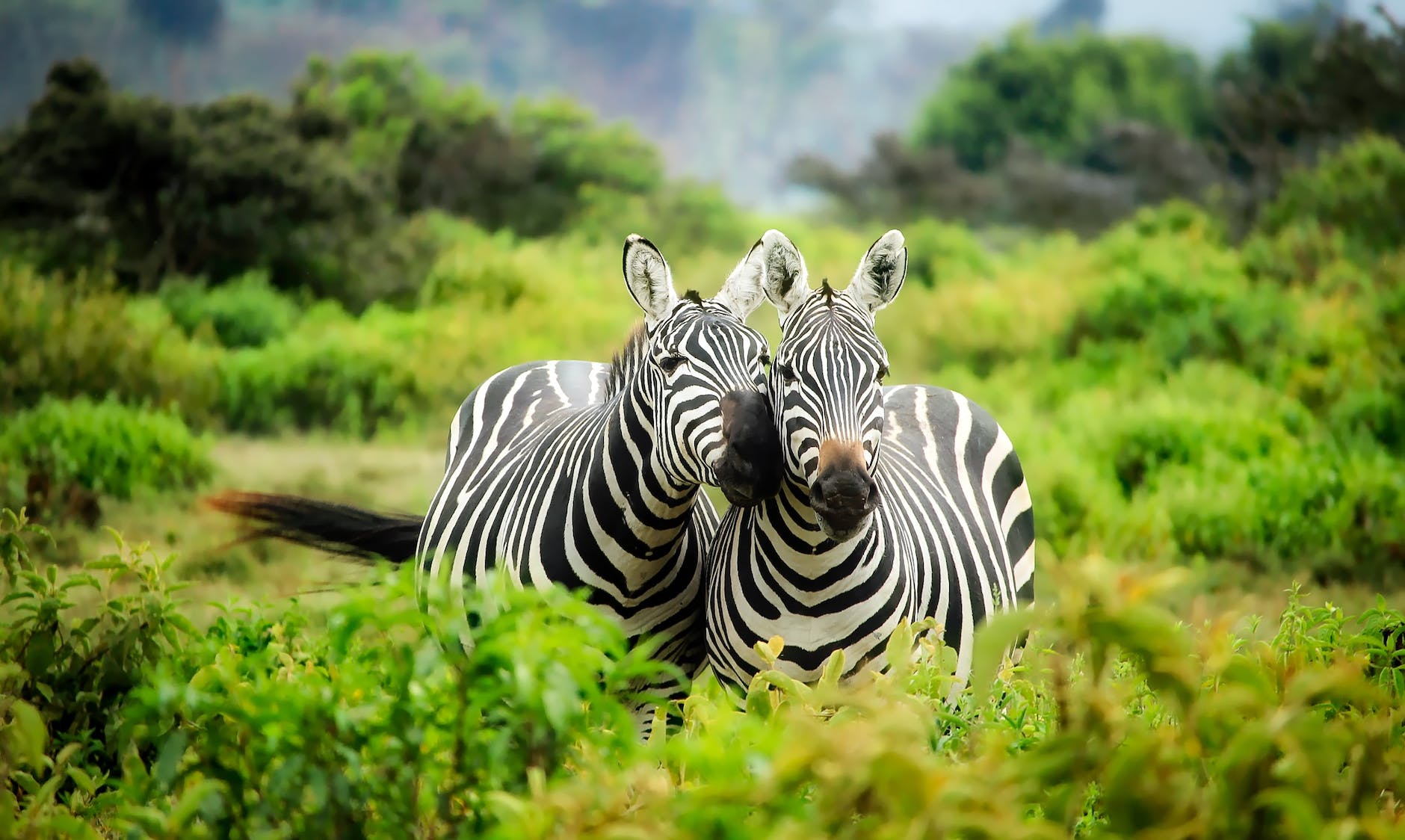
Protecting Endangered Species: The Fight to Save Wildlife
The world is facing a crisis of biodiversity loss, with an estimated one million plant and animal species at risk of extinction. From big cats like tigers and lions to tiny insects and birds, countless species are facing extinction due to human activity, climate change, and habitat destruction. Protecting endangered species is crucial for maintaining healthy ecosystems, preserving biodiversity, and ensuring a sustainable future for all living beings.
The fight to save wildlife is a complex and multi-faceted effort that requires the collaboration of governments, conservation organizations, scientists, and individuals around the world. Here are some of the key strategies and initiatives that are being used to protect endangered species:
Habitat conservation: Protecting and preserving the natural habitats of endangered species is essential for their survival. This includes establishing protected areas such as national parks, wildlife reserves, and marine sanctuaries where wildlife can thrive without the threat of human development or exploitation.
Anti-poaching efforts: Poaching for fur, ivory, and other wildlife products is a major threat to many endangered species. Anti-poaching initiatives, including increased policing and enforcement of wildlife protection laws, are essential for reducing the illegal trade in wildlife and protecting vulnerable species from exploitation.
Public awareness and education: Educating the public about the importance of wildlife conservation and the impacts of human activities on endangered species is essential for building support for conservation efforts. Awareness campaigns, educational programs, and ecotourism initiatives can help raise awareness and encourage people to take action to protect endangered species.
Species recovery and breeding programs: For critically endangered species, captive breeding programs and species recovery initiatives are being used to boost populations and prevent extinction. Zoos, wildlife sanctuaries, and research institutions are working to breed and reintroduce endangered species back into their natural habitats.
Sustainable development: Encouraging sustainable and responsible development practices that minimize the impact on natural habitats and wildlife is vital for protecting endangered species. This includes promoting sustainable agriculture, forestry, and fishing practices, as well as ensuring that infrastructure and urban development projects take into account the needs of wildlife and natural ecosystems.
Climate change mitigation: Climate change is a major threat to wildlife and is contributing to the loss of habitats and the decline of many species. Efforts to reduce greenhouse gas emissions, protect and restore natural carbon sinks such as forests and wetlands, and mitigate the impacts of climate change on wildlife are essential for protecting endangered species.
It is crucial for individuals, organizations, and governments to come together to protect endangered species and preserve the natural world for future generations. By supporting conservation efforts, advocating for stronger wildlife protection laws, and making sustainable choices in our daily lives, we can all play a part in the fight to save wildlife and protect endangered species. The future of our planet’s biodiversity depends on our collective actions to safeguard the incredible diversity of life on Earth.